
| Bottle sizes | |
|---|---|
| Main grapes | |
| Viticulture | |
| Origin | |
| Other grapes | |
| Vintage |
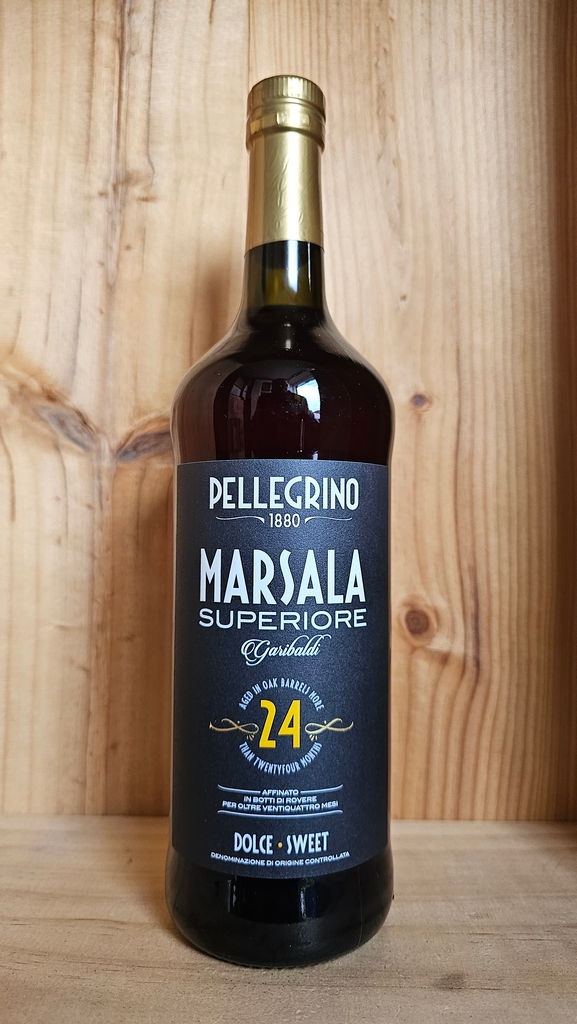
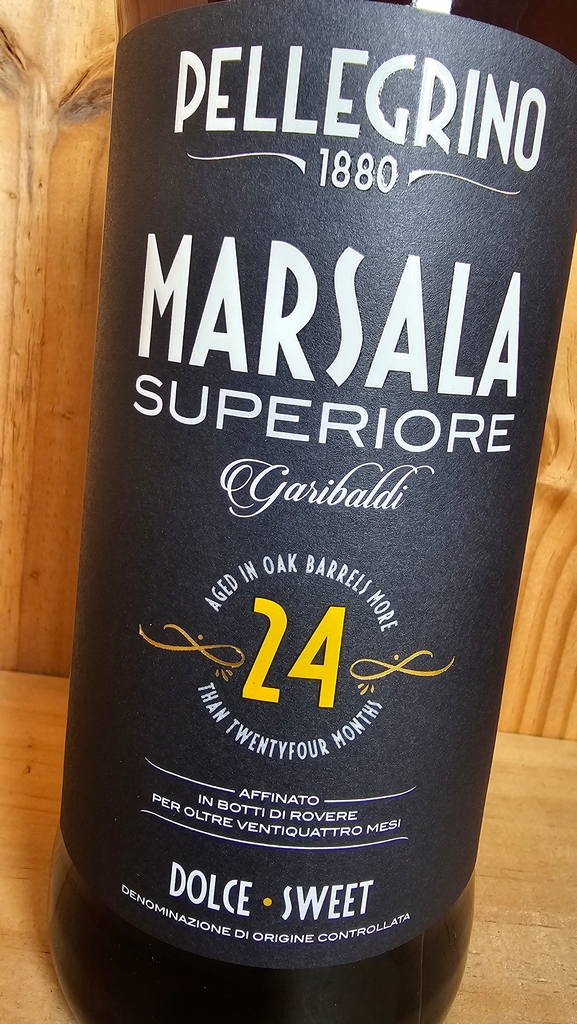
Cantine Pellegrino Marsala Superiore Garibaldi Dolce is a the classics medium-sweet style of Marsala, perfect as a dessert wine or as an ingredient in Italian desserts such as Tiramisu, Zabaglione or Christmas Cake and Puddings. Available to buy now at Fareham Wine Cellar.
Unlike other fortified wines, the creation of Marsala can be pinpointed to one man, an Englishman, John Woodhouse. Woodhouse was a connoisseur of Port, Madeira and Sherry and, when he arrived in the city of Marsala in 1770, it wasn’t long before he thought to try fortifying the local wines. In 1773, he added 8 litres of grape brandy to 400 litre barrels of wine, shipped it to England and, effectively, Marsala was born. Marsala first received Denominazione di Origine Controllata (DOC) status in 1969.
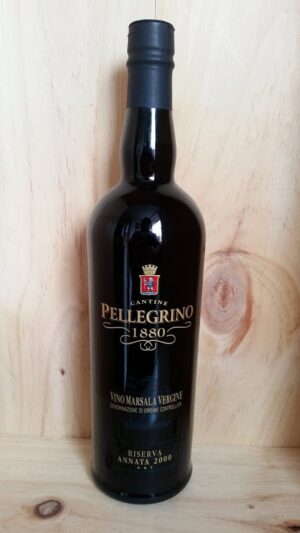
Today, Cantine Pellegrino, along with their competitors Cantine Florio, are recognised as the two top Marsala producers. Cantine Pellegrino came a little after Woodhouse. It was established in 1880 by Paolo Pellegrino and the company today remains in family ownership (one of only 2 to do so) and is one of only 3 Marsala houses founded in the 19th century still in existence.
There are different styles of Marsala; they vary in terms of sweetness (from sweet through to dry), in terms of ageing (some in a system similar to the Solera system in Sherry, some in single casks) and the length of time the wines are aged. Most Marsala is white, but some is also made from red grapes, like Pellegrino’s Uncle Joseph.
Essentially, all begin life as a wine fermented to dryness (for dry Marsala) or as unfermented grape must (for sweeter styles), which are then fortified with unaged grape spirit or sometimes aged grape brandy. Read more about production of Marsala here.
Cantine Pellegrino Marsala Superiore Garibaldi Dolce has an intense amber colour. The nose has aromas of intense, persistent, pleasant notes of dried figs and hints of plum. Round taste with sweet and honeyed notes and hints of dried fig.
This Marsala is great as a dessert wine but can also be served as a digestif, served after dinner for a warming, meditative finish.
It is a great match for Sicilian ricotta-based desserts (like cannoli or cassata), dark chocolate, pastries, ice cream, tiramisu, matured or blue cheeses, cakes, biscuits and nuts or nutty desserts.
How long does a bottle of Marsala keep once opened?
Once opened, it will keep well in the fridge for months.
What glass should I serve Marsala in?
Use a small port glass, tulip-shaped dessert wine glass, or brandy snifter – the narrower bowl concentrates the intense aromas of dried fruits, caramel, and nuts.
What temperature should this wine be served at?
Serve slightly chilled at 12–16°C. Avoid serving too cold (it mutes aromas) or too warm.
Is Marsala Vintage or Non-Vintage?
This particular one is a non-vintage style, but there are also vintage Marsalas produced

Reviews
There are no reviews yet.