
| Origin | |
|---|---|
| Main grapes | |
| Other grapes | Tinta Amarela, Tinta Barroca, Tinta Cao, Tinta Roriz, Touriga Francesa |
| Vintage | |
| Bottle sizes |
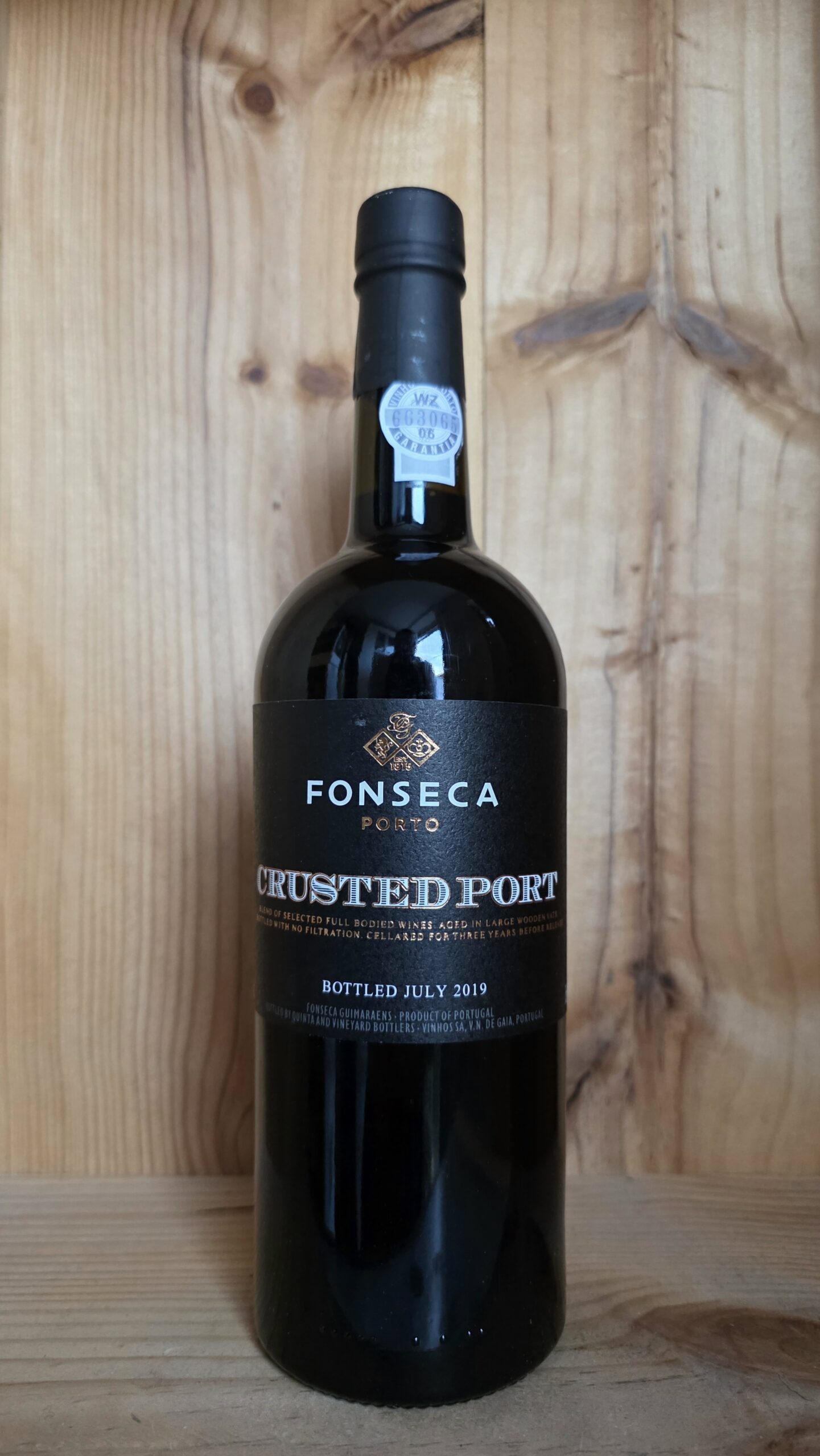
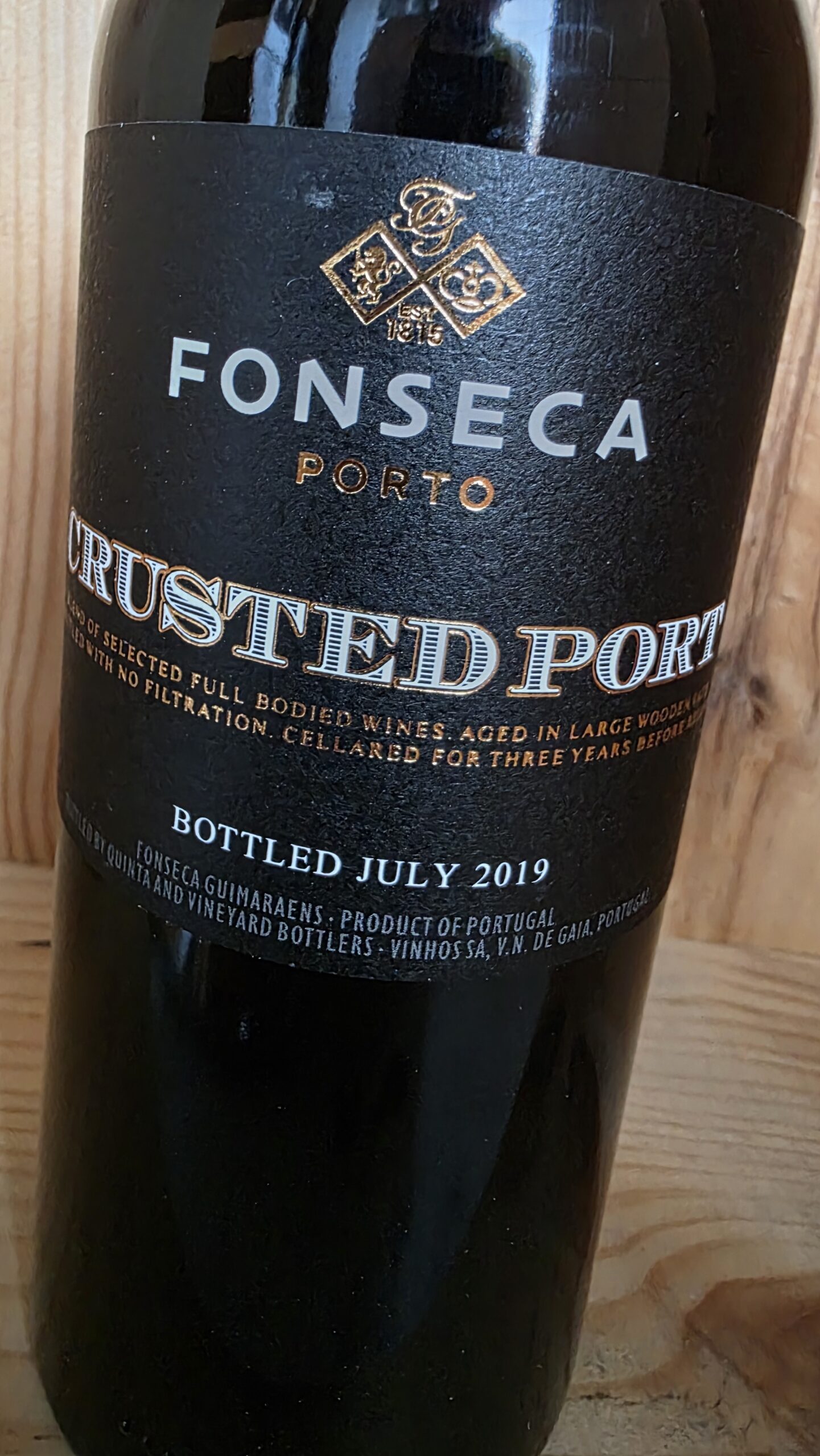
Fonseca Crusted Port is a traditional, full-bodied Port wine which offers an appealing alternative to Vintage Port. Produced by the highly regarded Port house of Fonseca, this Port is a carefully selected blend of rich, concentrated wines from the Cima Corgo region of the Douro Valley. Aged for four years in large wooden vats before being bottled unfiltered and matured for a further three years in the Fonseca cellars, the wine develops impressive depth and complexity while retaining the vibrant fruit character of the Fonseca house style. Rich dark berry fruit, plump raisins, warming spice and hints of eucalyptus combine in an elegant, beautifully balanced Port with a long finish and excellent bottle-ageing potential.
The current bottling was bottled in 2019 and will require decanting. Read our How To Decant Port Guide.
Crusted Port is a relatively rare and traditional style of Port, and Fonseca is one of the few producers that continues to make it. It is made from a blend of two or more Ports from different harvests, rather than the grapes of a single vintage. The wine is bottled unfiltered, allowing a natural deposit, or ‘crust’, to form as it matures in the bottle.
First introduced by Fonseca in 1874, Crusted Port shares some of the characteristics of both Vintage Port and Late Bottled Vintage (LBV) Port. It offers the richness and structure associated with Vintage Port, together with the added bottle maturation that helps develop its complexity. Unlike Ruby and Reserve Ruby Ports, which are generally filtered to produce a clear wine ready for immediate drinking, Crusted Port is deliberately left unfiltered and benefits from decanting before serving.
The blend is made from full-bodied Ports selected from the top-quality Cima Corgo area of the Douro Valley. It is a bottling of different harvests, usually 2 or 3, allowing the finished wine to combine the characteristics of several vintages.
The wine then spends four years ageing in large wooden vats before bottling. It is then matured for a further three years in the Fonseca cellars before being released.
Because it is bottled unfiltered, a natural deposit or ‘crust’ develops inside the bottle as the Port matures. This is entirely normal and is one of the defining characteristics of the style. The continued development in the bottle allows the wine to gain additional complexity and character.
Founded in 1822, the Fonseca Port House began when brothers Manoel Pedro Gonçalves Guimaraens and João Gonçalves Salgueiro took over the Fonseca and Monteiro Company. As a condition of the acquisition, the original owners stipulated that the Fonseca name remain, giving rise to Fonseca, Guimaraens & Co.
Over the course of the 20th century, the house cemented its reputation among the world’s premier Port producers, crafting legendary Vintage Ports in 1900, 1927, and 1948. That same year, 1948, Taylor Fladgate & Yeatman acquired the business, a move that expanded Fonseca’s international reach while safeguarding its hallmark lush, fruit-forward house style. Family continuity remains central to the cellar: David Guimaraens, the great-great-great-grandson of co-founder Manoel Pedro, has served as head winemaker since 1994, also acting as master blender across sister houses Taylor’s, Croft, and Delaforce.
Appearance: Deep, almost impenetrable purple-black in colour, with a narrow magenta rim.
Nose: An expressive bouquet of brambly woodland fruits, accompanied by hints of apricot and prune. With time in the glass, more subtle notes of leather, exotic wood and violet begin to emerge.
Palate: Full-bodied and concentrated, with intense dark berry fruit, plump raisins and warming spice. Hints of eucalyptus add further complexity, while a firm but finely balanced tannic structure gives the wine an appealing grip and depth.
Finish: Long and persistent, with lingering dark fruit, spice and an elegant freshness.
Fonseca Crusted Port is a superb after-dinner wine, particularly when served alongside strongly flavoured cheeses and rich desserts. Try with:
Blue cheese: A classic combination with Stilton, Roquefort and other mature blue cheeses.
Dark chocolate: Particularly good with rich chocolate desserts, chocolate truffles and chocolate fondant.
Walnuts and nuts: The concentrated fruit and structure work beautifully with walnuts, almonds and other roasted nuts.
Dried fruits: Try with dried figs, dates, prunes and fruit-based desserts.
Rich desserts: A delicious accompaniment to chocolate tart, chocolate mousse and dark berry desserts.
Serving suggestion: Serve at approximately 16–18°C in a generous Port or dessert wine glass. Fonseca Crusted Port should be decanted before serving to remove the natural sediment.
What is Fonseca Crusted Port?
Fonseca Crusted Port is a traditional, unfiltered style of Portuguese Port made from a blend of full-bodied wines from different harvests. It is matured for four years in large wooden vats, bottled without filtration and then aged for a further three years in bottle before release. It develops a natural sediment, or ‘crust’, as it matures.
What is the difference between Crusted Port and Vintage Port?
Both Crusted Port and Vintage Port are bottled unfiltered and can develop natural sediment as they mature. However, Vintage Port is made from the grapes of a single declared vintage, whereas Crusted Port is a blend of wines from different harvests. Crusted Port also spends longer ageing in wood before bottling and is generally a more accessible alternative to Vintage Port.
Why does Fonseca Crusted Port have sediment?
The sediment is a natural result of bottling the Port without filtration. Over time, particles of grape solids and tannins settle out of the wine and form a deposit inside the bottle. This is a normal characteristic of traditional Crusted Port and should not be mistaken for a fault.
Does Fonseca Crusted Port need decanting?
Yes. Fonseca recommends decanting Crusted Port before serving to separate the clear wine from its natural sediment. Stand the bottle upright for several hours beforehand to allow the deposit to settle, then carefully pour the Port into a decanter, leaving the sediment behind.


Reviews
There are no reviews yet.