
9 in stock
| Origin | |
|---|---|
| Main grapes | |
| Other grapes | |
| Vintage | |
| Bottle sizes |
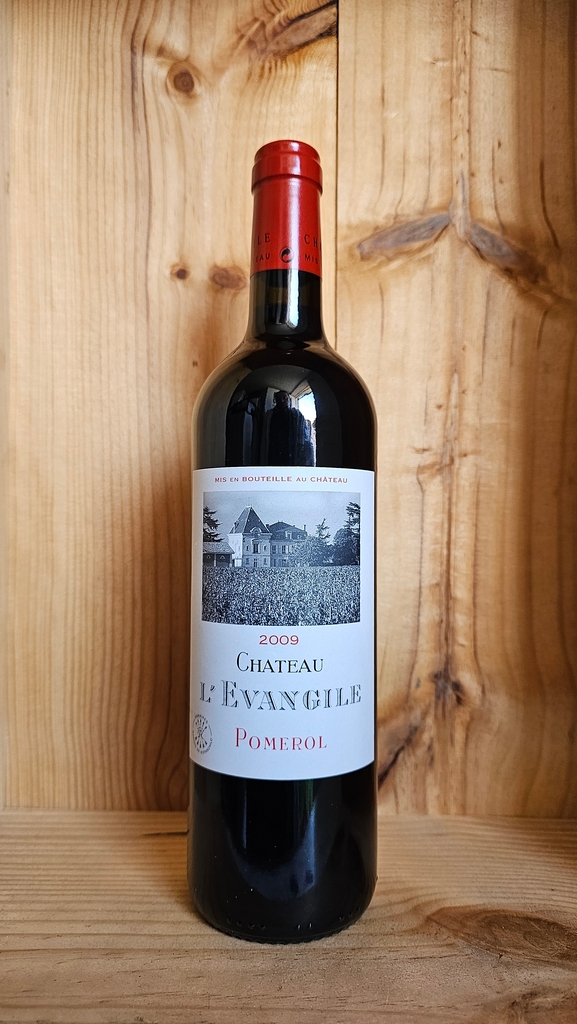
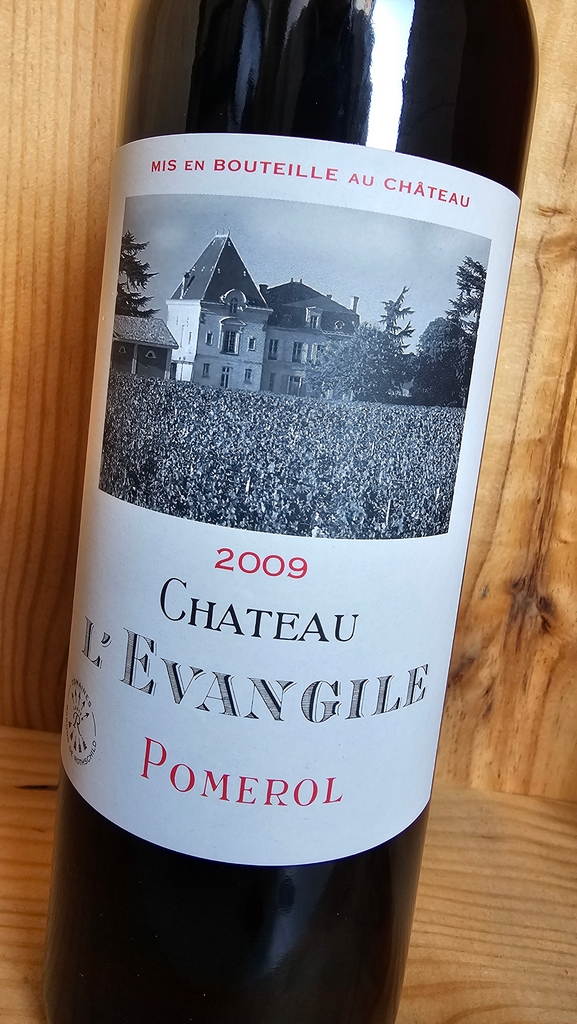
Château L’Évangile is a red wine from the Pomerol wine-growing appellation on Bordeaux’s right bank. The chateau sits on the Pomerol plateau and is bordered to the north by the vines of Château Pétrus and is only separated from Cheval Blanc in Saint-Emilion, to the south, by a small road. The wines are rich, opulent and Merlot-driven.
The Léglise family acquired Château L’Évangile from the Pipaud sisters and, under their ownership, the estate expanded year on year: by 1741, one-third of the estate was under vine. The estate would eventually be renamed L’Évangile in the early 19th century by an owner called Isambert.
The modern era of winemaking began when Paul Chaperon acquired the estate in 1862 and was largely responsible for building up the reputation of the current château and the quality of its wines. The estate remained in the Chaperon / Ducasse family until 1990.
Domaines Barons de Rothschild (Lafite) acquired the estate in 1990 and has since invested significantly in modernising the winery while respecting traditional winemaking practices. Today, L’Évangile is considered one of the appellation’s finest properties, consistently producing wines equivalent to 1er Cru quality. As well as the grand vin, a second wine is also produced, called Blason de L’Évangile. Annual production is small ,with only around 5000 cases of the grand vin produced.
The estate comprises 22 hectares of vineyards spread across 43 plots, which are planted on three distinct soil types: pelosols, characterised by absorbent mineral-clays at the top of the plateau, soils with a gravel-clay to gravel-sand texture and, in the lower part of the appellation, soils with a predominantly sandy texture.
The vineyards are planted with 79% Merlot, 20% Cabernet Franc and 1% Cabernet Sauvignon.
The estate converted to 100% organic farming, achieving certification in 2021, and emphasises biodiversity and is home to beehives and significant biodiversity along its 2 km of hedges. It also became B Corp certified in 2023.
The growing season began with challenging, damp conditions, but stable fine weather arrived from late June. A hot, dry summer was relieved by timely light rains in July, August, and September, avoiding water stress. Warm days and cool nights promoted slow, even ripening.
The Merlot achieved exceptional flavour intensity and rare high ripeness (with high potential alcohol), while the Cabernet Franc berries remained small with thick skins—reducing yield but enhancing concentration, ripeness and tannic expression.
Dark, dense, deep colour with hints of dark purple. The nose is refined, fresh and fruity (raspberry, blackcurrant) with subtle, elegant notes of mocha and coffee. The attack is generous with fruity notes and delicate tannins. The palate is long, powerful and silky due to the very ripe tannins. The finish is enveloped in a rich creaminess.
Pairs beautifully with roasted duck, venison or grilled lamb.
For a vegetarian option, try it with mushroom risotto or aged cheeses like Comté.
2014 Vintage
95 Points – James Suckling, JamesSuckling.com, February 2017
90 Points – Jeb Dunnuck, JebDunnuck.com, November 2017

Reviews
There are no reviews yet.