
2 in stock
| Origin | |
|---|---|
| Main grapes | |
| Other grapes | |
| Vintage | |
| Bottle sizes |
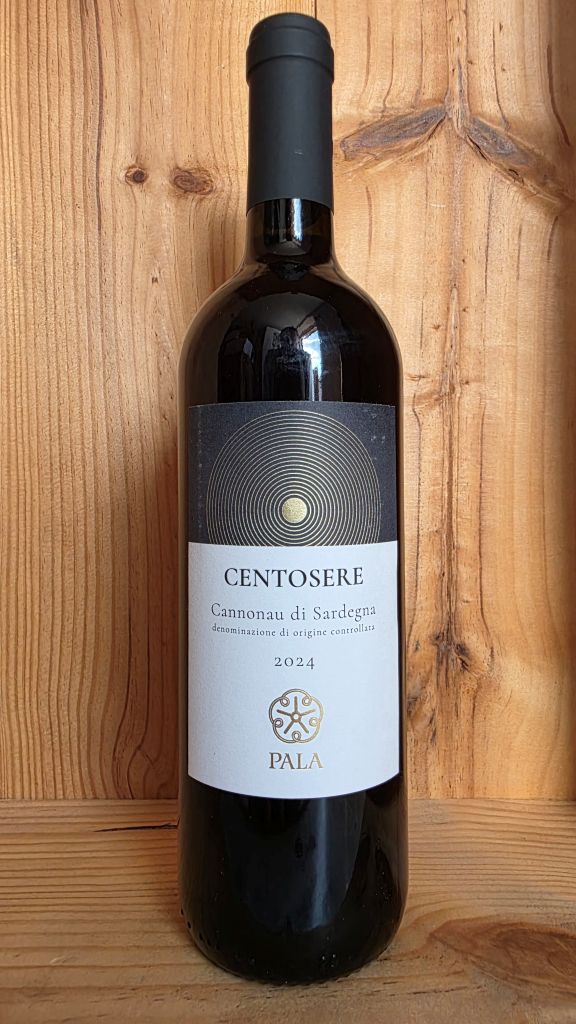
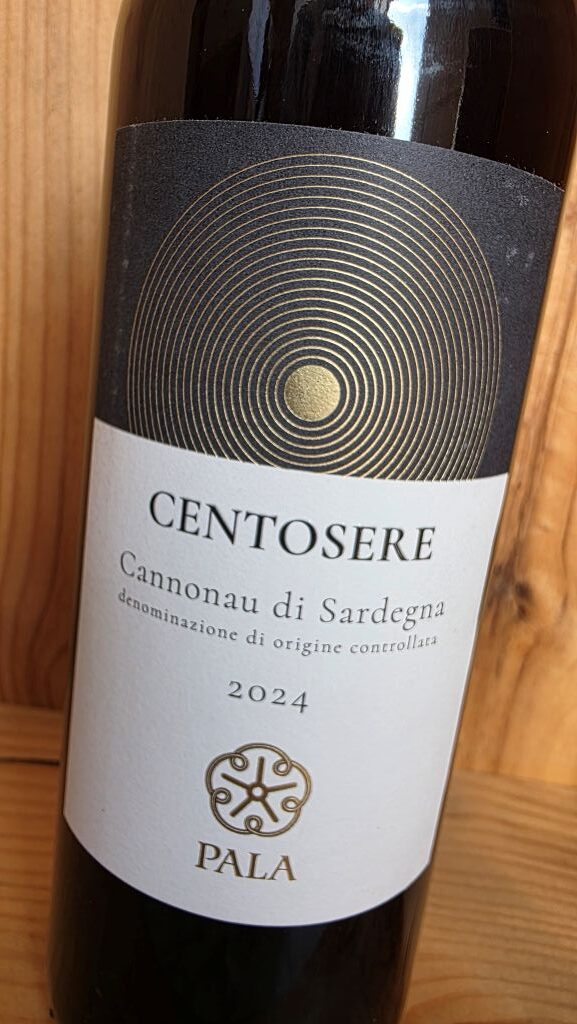
Pala Centosere Cannonau di Sardegna is a vibrant, deeply flavoured red wine crafted on the Mediterranean island of Sardinia. Made entirely from 100% Cannonau (Sardinia’s signature clone of Grenache), this medium-to-full-bodied red offers a brilliant expression of island terroir, combining ripe red fruit with classic Mediterranean warmth. (Note: This wine was formerly known as Pala I Fiore).
Pala’s roots stretch back to 1950, when founder Salvatore Pala celebrated the estate’s very first harvest in Sardinia. In those early years, the winery operated predominantly as a bulk wine producer, supplying grapes and wines to other regional houses.
A pivotal transformation occurred when the family shifted their philosophy from high yields to uncompromised quality, dedicated to highlighting Sardinia’s distinct terroir and native grape varieties like Cannonau, Vermentino, and Nuragus. Today, under the stewardship of Mario Pala and his children, representing the third generation, the estate, modern winemaking facilities, and vineyards have been thoroughly modernised while remaining deeply respectful of island traditions.
Pala is now universally recognised as a benchmark reference point for Sardinia’s wine industry. Winning international awards and global acclaim, the estate seamlessly combines modern technical precision with sustainable vineyard practices, firmly establishing Pala as one of Sardinia’s premier independent family wine producers.
For centuries, Cannonau di Sardegna was widely believed to have been imported to Sardinia from Spain around 1400 AD. However, recent archaeological discoveries of ancient grape seeds across Sardinia suggest that Cannonau may actually be indigenous to the island, making it one of the oldest cultivated wine grapes in the Mediterranean basin.
Today, Cannonau is planted extensively across Sardinia’s varied terrain, from coastal plains to granitic mountain slopes. Despite its widespread presence, total yield per vine remains naturally restricted due to traditional viticultural practices, most notably the widespread use of the alberello training system.
Translating literally to “little tree,” alberello is an ancient bush-vine cultivation method where vines are free-standing without wires or trellises, short-pruned to resemble miniature trees. This low-yielding system forces the vine’s roots deep into Sardinia’s dry, clay-calcareous soils in search of moisture and nutrients.
While short pruning drastically reduces the quantity of grapes each vine produces, it dramatically concentrates flavour, sugars, and aromatic complexity in the remaining clusters. The result is a richer, more structured wine with remarkable depth, vibrant dark fruit, and authentic Mediterranean character.
In the glass, Centosere displays an intense ruby red colour with violet reflections.
The nose opens with inviting aromas of ripe blackberries, dark cherries, floral red plum, and a touch of wild Mediterranean scrub (macchia).
On the palate, it is fresh, well-balanced, and velvety, offering luscious red fruit flavours supported by fine tannins and a clean, dry, elegant finish.
Exceptionally versatile at the dinner table, Pala Centosere pairs brilliantly with roasted meats, grilled sausages, rich pasta dishes with ragù, and traditional Sardinian cheeses like aged Pecorino. Serve at 16–18°C.
Reviews
There are no reviews yet.