
| Origin | |
|---|---|
| Main grapes | |
| Other grapes | |
| Vintage | |
| Bottle sizes |
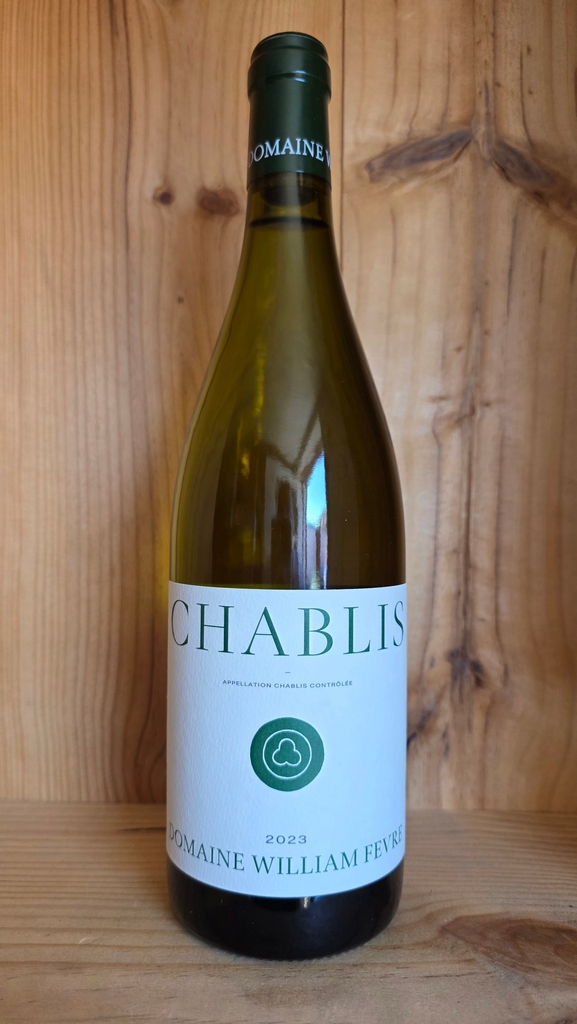
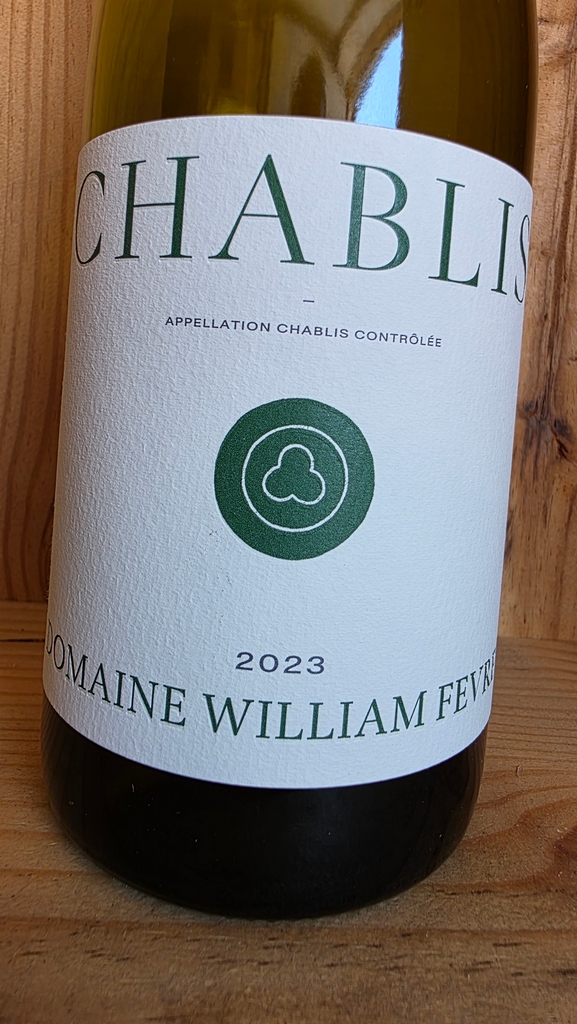
Domaine William Fevre Chablis is made from 100% Chardonnay grapes sourced from William Fevre’s vineyards, which sit on the famous Chablisienne Kimmeridgian subsoil — chalky clay, marl, and marly limestone from the Kimmeridgian era (the Upper Jurassic geological period, 160–140 million years ago).
Domaine William Fevre was founded in 1957 by William Fevre when he began with around 17 acres of vineyards, but soon expanded, acquiring both 1er Cru and Grand Cru Chablis vineyard sites. The domaine is located on either side of the Serein River, and Fèvre take great effort to ensure their vineyards are well-tended to produce the purest expression of this wine and its terroir. Yields are kept low, and the estate has been using organic methods for many years.
Today, Domaine William Fèvre has become one of the biggest land owners in Chablis with 78 hectares of prestigious vineyards, of which 15.9 hectares are classified as Premier Cru (including Vaillons and Vaulorent) and 15.2 hectares as Grand Cru (Prueses, Le Clos and Fourchaume). As well as producing 1er and Grand Cru Chablis, the domaine also produces Petit Chablis and a Sauvignon de St Bris.
Fevre himself retired in 1998, and the Domaine was sold to Champagne Henriot. The winemaker is Didier Seguier, who had previously worked for the Burgundy wine producer Bouchard, also owned by Champagne Henriot. In January 2024, the estate was acquired by the DBR Lafite family.
Also available in half bottles. Both are available to buy at Fareham Wine Cellar.
Pale in colour, with fresh aromas of lemon, lime, green apple and delicate white flowers. The palate is dry, lively and finely balanced, offering crisp citrus and orchard fruit alongside a chalky mineral character and a subtle saline note. Fresh acidity carries through to a clean, refreshing finish.
Domaine William Fèvre Chablis 2023 is an excellent match for seafood and simply prepared fish. Its crisp acidity and mineral character work particularly well with:
Serve lightly chilled, at around 10–12°C, to allow the citrus fruit and mineral detail to show.
2023 Vintage
It is a dry, fresh white wine with flavours of lemon, lime and green apple, complemented by subtle floral notes, crisp acidity and a chalky, mineral finish.
Chablis is made from Chardonnay. The cool climate and distinctive soils of northern Burgundy help produce Chardonnay with freshness, citrus character and a mineral edge.
Yes. Chablis is typically made as a dry white wine. Domaine William Fèvre Chablis 2023 is a crisp, dry style, rather than a sweet Chardonnay.
It pairs particularly well with oysters, shellfish, prawns, crab, grilled fish and other lightly prepared seafood. It also works with roast chicken and fresh goat’s cheese.
Serve at around 10–12°C. Avoid serving it so cold that the wine’s aromas and flavours are muted.
Chablis is a Chardonnay wine from northern Burgundy, often recognised for its citrus fruit, lively acidity and mineral character. Chardonnay from warmer regions or wines matured in more new oak can taste riper, richer or more buttery.


Reviews
There are no reviews yet.